The Supplemental Nutrition Assistance Program (SNAP), previously referred to as food stamps, has generated considerable debate over the years. Its primary goal is to ensure that all individuals have access to adequate nutrition, while maintaining a promise of respectful treatment for applicants. However, the program includes numerous intricate regulations, leading to differing opinions on whether recipients make acceptable choices with their benefits.
Recently, SNAP has gained attention in the news and sparked intense discussions on social media due to three notable events.
Firstly, Amazon has introduced its first fully automated grocery store, Amazon Go, allowing customers to enter via an app, pick items, and exit without a traditional checkout process. Unfortunately, SNAP benefits are not accepted here.
Secondly, a petition has been gaining traction that calls for the inclusion of pet food in SNAP benefits alongside food for human family members.
Lastly, Mick Mulvaney, the director of the Trump administration’s Office of Management and Budget, proposed a shift from traditional food assistance for low-income households to a “Blue Apron-style” delivery of canned and shelf-stable foods.
These developments prompted us to explore what is currently permissible to purchase with SNAP benefits, as well as items that are prohibited.
What you can buy with SNAP
SNAP and its recipients face skepticism from various critics, particularly those who argue that public assistance recipients should be restricted in their purchases. Conversely, others contend that limiting their options is intrusive. Generally, SNAP purchases are confined to food items, albeit with specific exceptions.
Energy drinks
Since 2013, purchases of energy drinks like Red Bull have been permitted through SNAP after manufacturers began labeling them under “nutrition facts.” Efforts to disqualify these drinks have been made, but as long as they remain classified as food items, they will likely retain eligibility.
Luxury items
In theory, SNAP benefits can be used to buy high-end food items such as steak and lobster. Lawmakers have proposed restrictions on these purchases, but data from the Bureau of Labor Statistics indicates that low-income families eligible for SNAP rarely buy such luxury foods, accounting for only about 10% of their grocery expenses.
Junk food
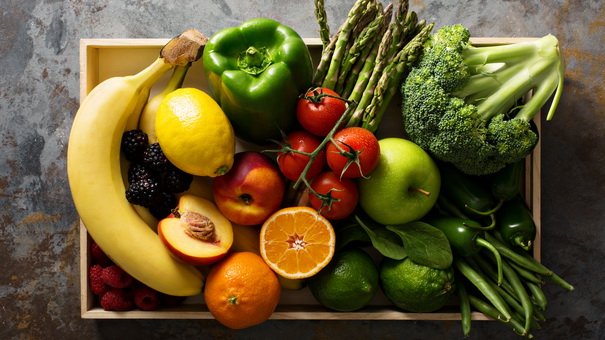
It is indeed observed that a significant portion of SNAP recipients spend their benefits on junk food. According to a 2011 USDA report, 23 cents from every SNAP dollar is directed towards sugary drinks, desserts, and snacks, while the remaining 77 cents is spent on essential meal components like milk and vegetables. Interestingly, households not participating in SNAP exhibit similar spending patterns on these indulgent items.
While nutritionists are concerned about junk food purchases under SNAP, arguing it’s contrary to the program’s healthful intentions, attempts to restrict such purchases are complicated by the subjective nature of determining acceptable foods.
Birthday cake
Although hot prepared foods are off-limits, SNAP can be utilized to purchase baked goods, including cakes, muffins, and cookies from grocery stores and select bakeries.
Holiday items
As long as they are edible, you are allowed to purchase pumpkins for Halloween with SNAP, but decorative items like gourds are not included. Gift baskets and pre-filled holiday stockings can also be bought, provided that at least half of the contents are food and do not contain prohibited items.
K-Cups
SNAP benefits can be used to buy all forms of coffee, including single-serve pods like K-Cups and instant coffee.
Taco Bell (sometimes)
While the majority of SNAP recipients are restricted to grocery purchases, select states offer the Restaurant Meals Program for elderly, disabled, and homeless individuals, allowing them to use benefits at certain restaurants, including Taco Bell.
Seeds
Since 2014, SNAP participants have been able to purchase seeds and plants that produce food, along with a promotional effort to encourage gardening among recipients.
Produce at the farmers market
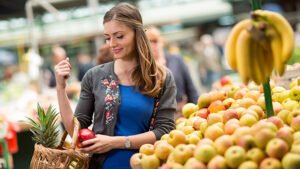
SNAP benefits are valid for purchasing fresh fruits and vegetables at farmers markets, as well as homemade jams and honey. However, most vendors only accept cash, while SNAP operates as a debit card. Initiatives are underway to enhance participation, including creating directories of markets that accept SNAP and introducing incentive programs for recipients.
Food from online grocers
The USDA is conducting a pilot program allowing SNAP participants to shop for groceries online, which could significantly benefit those in food deserts as well as elderly, disabled, or working parents who cannot easily access grocery stores.
Cocktail mixers
While purchases of alcohol are not allowed with SNAP, mixers for non-alcoholic beverages, such as tonic water or margarita mix, are permitted.
Things you can’t purchase with SNAP
Despite the extensive list of allowable items, many products cannot be bought using SNAP benefits. While some restrictions are logical, such as prohibiting purchases of tobacco and alcohol to safeguard taxpayer funds, there is ongoing debate over certain excluded items.
Rotisserie chicken
While hot delis offer roasted chickens that are sometimes cheaper than raw alternatives and can form part of various healthy meals, most SNAP recipients are unable to buy any hot prepared food, including rotisserie chicken.
Toiletries
Non-food items such as soap, diapers, and sanitary products cannot be purchased with SNAP, posing challenges for recipients who require these essential supplies.
Pet food
The recent petition advocating for the inclusion of pet food in SNAP has garnered significant support, highlighting the argument that pet ownership can lead to a greater burden on public resources if owners in poverty are unable to care for their animals.
Grocery bag fees
Many regions are implementing fees for grocery bags to minimize waste, but SNAP cannot be used to pay these fees, necessitating that recipients bring their own bags or pay cash for disposable ones.
Food shipping charges
Participants in the online grocery program must cover any delivery or convenience fees using cash rather than SNAP benefits.
Live animals
Although buying live seafood for personal cooking is permitted, acquiring livestock such as pigs or cows through SNAP is not allowed.
Alcohol and cigarettes
Both alcohol and tobacco products are excluded from SNAP since they neither qualify as food nor contribute to nutritional value, reflecting public sentiments against funding these items.
Like this article? Pin it!