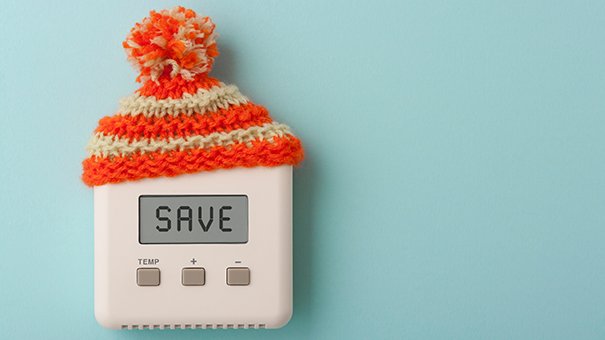
Feeling a bit cold? You’re certainly not the only one. With temperatures dropping throughout the United States and beyond, many are reaching for their cozy scarves and sweaters, adjusting their thermostats, and exploring various methods to stay warm. But what does it cost to keep warm? Here are some figures to consider as you heat up your hot chocolate.
Financial Aspects of Staying Warm
Let’s delve into the expenses linked to staying warm, beginning right at home.
Home Heating Expenses
One of the most significant expenditures for many households is heating. For instance, Massachusetts provided estimates for annual home heating costs by fuel type last year, revealing considerable figures, even though they have decreased by an average of 22% compared to the prior year.
- $879 for natural gas;
- $2,248 for oil;
- $2,569 for propane;
- $697 for electric heating.
Note: The total you spend on heating depends on various elements, including your home’s energy efficiency and the condition of your heating system.
My husband and I found out firsthand that installing a new gas furnace can easily exceed $4,000. This isn’t something you can defer, especially if it fails during a frigid spell and you have a newborn at home.
Investing in Home Energy Efficiency
To improve energy efficiency, many individuals undertake substantial home projects. One common approach is to enhance insulation in attics and walls. According to HomeAdvisor, the average cost for blown-in insulation ranges from $875 to $1,897.
Here are other average costs for insulation:
- $1,000 for spray foam insulation;
- $300 to $500 for fiberglass batt;
- $675 to $1,075 for reflective or radiant barrier.
Fortunately, these costs are typically one-time expenses, and improving insulation can lead to annual savings of up to $500 (for spray foam) on heating and cooling bills. Additionally, certain states provide weatherization rebates and tax incentives. To find out if you qualify, visit Energy.gov.
Environmental Impacts
Beyond financial considerations, heating homes significantly affects our planet’s resources. The reliance on fossil fuels, which are becoming increasingly scarce, contributes to this impact. Furthermore, there are energy costs and environmental consequences associated with extracting and transporting these fuels, not to mention the waste produced during the process.
Currently, fossil fuels fulfill approximately 81% of the energy requirements in the U.S. When discussing global warming, it’s crucial to note that home heating contributes to a substantial portion of greenhouse gas emissions. For example, in 2014, heating with fossil fuels was responsible for about 12% of total emissions.
Eco-Friendly and Economical Heating Solutions
There is promising news: By making slight adjustments to your routine, you can stay warm without straining your budget or harming the environment.
Dress in Layers
Before turning up the heat, assess your clothing. Don a moisture-wicking base layer (like one made from polyester), and don’t forget hats and scarves, even indoors! According to The Old Farmer’s Almanac, warm feet are also crucial. Consider inexpensive rubber-soled slippers or thick wool socks to enhance comfort.
Install a Programmable Thermostat
By setting your thermostat 7 to 10 degrees cooler during your eight-hour workday, you could reduce your energy costs by up to 10%. For added convenience, think about installing a programmable thermostat to handle this automatically.
Utilize the Fans
Reversing your ceiling fan’s direction can help circulate warm air effectively (typically clockwise during winter). This method draws warm air from the ceiling and distributes it evenly around the room, improving overall comfort.
Seal Up Drafts
Take a tour around your home to conduct a mini energy audit. Look for places where drafts may be creeping in—this includes windows, doors, and any noticeable cracks. Affordable weather stripping can be applied easily to rectify these issues.
For particularly drafty windows, consider using plastic or bubble wrap. Simply frame the window with double-sided tape, adhere the bubble wrap, and layer some plastic film insulation over it for extra protection.
Take Advantage of Natural Light
During sunny days, open your curtains to let in warmth from sunlight. Conversely, remember to close them at night to retain heat indoors. Thermal curtains are also an investment worth considering, with claims that they can cut heating and cooling costs by up to 25%.
Rearrange Your Living Spaces
Consider rearranging your furniture to prevent any obstructions to vents, radiators, and other heating fixtures. Avoid letting your couch absorb all the heat, which reduces efficiency. If your space has bare floors, adding rugs can provide insulation and keep your feet warmer.
Moreover, if there are rooms you seldom use, close them off to minimize heating needs, ensuring that you also shut the vents in those areas.
Explore Alternative Heating Options
Alternative heating solutions exist that do not rely on traditional furnaces or boilers. For instance, utilizing wood heat can be both sustainable and, despite having a higher carbon footprint, employs a renewable resource. Newer woodstoves are designed to be far more efficient with reduced pollution output. For those concerned about emissions, pellet stoves offer an eco-friendlier option.
The cleanest alternative? Harnessing solar energy. Look into solar hot air systems to supplement your primary heating, involving collectors on south-facing walls paired with fans to push warm air into your home. If constructing a new home, consider implementing passive solar design, which can potentially supply 50 to 80% of your heating needs.