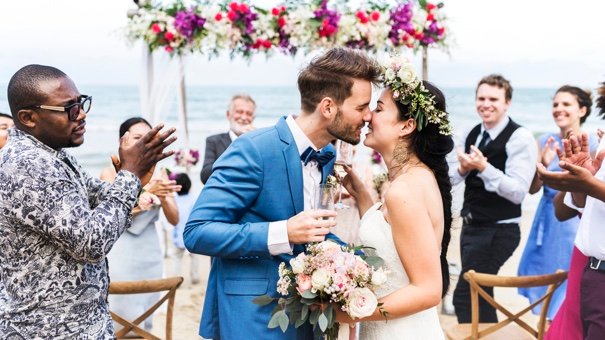
On June 22, 1972, my parents tied the knot in Baltimore, Maryland, coinciding with the landfall of Hurricane Agnes, which at that time was the most expensive tropical storm recorded in the United States.
Upon waking up to their wedding day, they were met with the unfortunate news that many of their guests were stranded due to widespread flooding. To minimize the loss of food and drinks at their reception, they opened the invitation to anyone who was able to navigate the treacherous streets, including my grandmother’s hairdresser and neighbors of their guests.
No one anticipates having their wedding day interrupted by a hurricane, especially in June in Baltimore. While there was no wedding insurance back then, it’s worth considering whether modern couples should invest in policies to safeguard their special day and deposits from unexpected events.
This article explores the viability of wedding insurance as a means to ensure a smooth wedding experience. (Also see: 15 Unexpected Insurance Policies You Might Need)
Understanding Wedding Insurance
Wedding insurance, often referred to as special event insurance, is designed to cover cancellations due to adverse weather conditions or the death, illness, or severe injury of a pivotal participant. Couples can also add riders to their policies for issues such as military deployment, damage to bridal attire, vendor bankruptcy, theft or damage to gifts, and liability for injuries.
While the financial protection from a wedding disaster makes wedding insurance appealing, Lindsay Rocamora, a Wisconsin-based wedding and event planner, suggests that it may often be unnecessary.
She advises couples to carefully consider the specific challenges they might face on their big day.
Potential Wedding Day Issues
Although it’s unpleasant to think about potential mishaps, Rocamora urges couples to identify the logistical challenges that could arise.
Minor Setbacks
The issues most likely to occur on your wedding day are those that can often be anticipated before signing vendor contracts.
Some key questions Rocamora recommends asking include:
- What will happen if the photographer or DJ falls ill?
- What is the contingency plan if the caterer mishandles the cake?
- Is the vendor insured?
- What penalties are in place if services are not delivered as promised?
- What are the cancellation policies for the contract?
By thoroughly understanding contract terms with vendors, couples can better prepare for potential issues. It’s important to note that many common problems might not be covered by wedding insurance.
Natural Disasters
Many assume that wedding insurance will provide relief in the event of significant weather-related occurrences or other unforeseen calamities. Unfortunately, this isn’t always guaranteed.
While cancellation coverage may be available for severe weather events, it is often limited to statewide emergencies. Localized incidents may just be deemed unfortunate for the couple.
Additionally, Rocamora highlights that many vendors protect themselves through Force Majeure clauses in their contracts against unforeseen disasters:
“Many venues and vendors have provisions that exempt them from liability in the event of natural disasters,” she explains. “For example, I’ve seen venues damaged by tornadoes or bakeries affected by fires. If there’s a drought impacting flower availability, the Force Majeure clause leaves couples without recourse.”
Standard wedding insurance typically does not cover these unforeseen circumstances, particularly if vendors include such clauses.
Vendor Insolvency
A notable incident occurred in 2017 when bridal retailer Alfred Angelo unexpectedly filed for bankruptcy, leaving brides without their dresses as stores abruptly closed.
The fallout was stressful for affected customers, though rival company David’s Bridal stepped up, offering discounts to help them continue their wedding preparations.
Rocamora suggests that wedding insurance might provide some assistance in cases like vendor bankruptcies, which can also impact local providers. The disruption caused by the Angelo incident sent shockwaves through the wedding industry.
Coverage for Liability
With multiple guests in an environment where alcohol is freely available, the risk of damages or injuries increases, potentially leading to complicated liability issues. This is where wedding insurance could serve as a safeguard.
“Many of my horror stories begin with too much vodka,” jokes Rocamora. “In Wisconsin, venues and parks have stringent liquor laws.” Most states do require venues to have proper coverage for incidents involving intoxicated guests.
However, if you are hosting the wedding at home, your venue won’t inherently have this protection. An umbrella policy via your homeowner’s insurance could likely suffice, potentially at lower costs than dedicated wedding insurance.
Furthermore, be mindful of your liability if guests drive under the influence after the wedding. Ensure adequate coverage and consider providing shuttle services or designated sleeping arrangements to prevent any accidents.
Protection Against Lost Gifts
Many couples consider wedding insurance to cover lost, stolen, or damaged gifts. However, if such incidents occur while the gifts are at your residence or in your vehicle, your homeowner’s or auto insurance might already protect those items.
Moreover, venues may already have insurance in place for gift coverage, so it pays to inquire and check existing policies before investing in specialized coverage.
Ensuring Your Wedding’s Success
Despite thorough planning, weddings are notorious for unpredictable outcomes, and anyone who has attended one knows the challenges of flawless execution. There’s a notable difference between lighthearted wedding mishaps and actual disasters.
To safeguard against issues on your special day, Rocamora emphasizes researching your options, asking pertinent questions before finalizing contracts, selecting reliable vendors, and reviewing your homeowner’s insurance over opting for wedding-specific coverage. (Also see: Tips on How to Negotiate Everything for Your Wedding)
Like this article? Pin it!