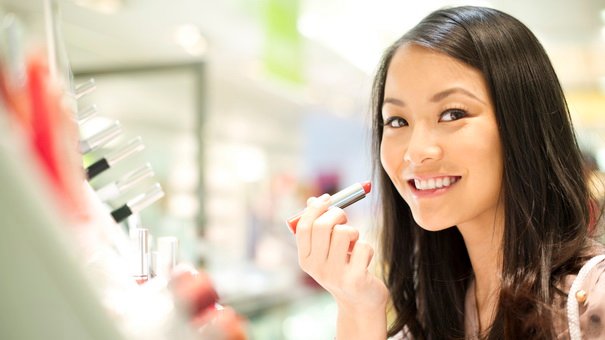
Have you ever bought a new lipstick shade only to realize it doesn’t suit you at all? Or perhaps you mistakenly picked a blush that makes you look as if you time-traveled from the ’80s? It’s a common experience.
Cosmetics can come with a hefty price tag, and the last thing you want is to invest in a product that doesn’t enhance your beauty. Although testing makeup before purchasing can resolve many issues, it brings its own set of concerns. Shared testers can harbor bacteria and germs, potentially causing breakouts, rashes, or even infections.
The encouraging news is that you can safely assess makeup options before making a purchase. Follow these five guidelines to minimize the chance of exposing yourself to harmful germs when trying out cosmetics. (See also: 12 Makeup Hacks From the Pros)
1. Request a prepped tester
Start by ensuring that the tester you’re about to use is freshly prepared. Don’t hesitate to ask a sales representative for help with this. It’s crucial since most testers carry some degree of contamination. According to a 2004 study from Rowan University, a staggering 67 to 100 percent of makeup samples analyzed from various brands exhibited bacterial presence. Gross!
To get a genuinely safe and prepped tester, observe the sales associate while they prepare the sample. Preparation varies among different products. For lipsticks, they should remove the top layer, sanitize it with alcohol, and wipe it clean with a tissue. When applying, use a new, disposable applicator or brush that the salesperson provides. Avoid using your fingers or any unclean tools to apply lipstick as this will further contaminate the sample.
For items like lip liners and eye pencils, the contamination typically resides only on the exterior layer, making them easier to prep by simply sharpening them. (See also: Here’s How Long Your Beauty Products Really Last)
2. Test on your wrist
Even if the tester has been prepped carefully, it’s wise to be cautious. Many beauty products might have deeper contamination, which poses unnecessary risks.
Steer clear of applying products directly on your eyes or lips where the likelihood of infection is higher. Instead, opt to test on your wrist or the back of your hand. This way, you can gauge the product’s appearance on your face without the associated risks.
Testing on your cheeks or neck is generally safe as well; while you may risk a mild rash or breakout, they are usually not severe. As an extra precaution, make sure to cleanse your face thoroughly once you return home. (See also: 15 Frugal and Natural Ways to Fight Acne)
3. Products to completely avoid
Although trying out cosmetics before purchase is valuable, certain products should be entirely skipped when it comes to testing.
Mascara
Mascara is challenging to prep effectively. Bacteria can linger on the wand’s fibers, turning it dangerous to apply near your eyes. You may request a tester wand, but this doesn’t guarantee it hasn’t been used multiple times. Additionally, using a tester wand means you miss out on testing the actual wand that comes with the mascara.
Eyeliner
Eyeliner, while it can be made safer through sharpening, still poses risks near the eyes. Rather than applying it there, consider swiping it on your wrist or hand to get a sense of its color and texture.
Powder products
Any powdered makeup or those housed in pots or small containers should be avoided altogether. Even minor contamination can infiltrate the product, making it risky, even with the best preparation.
4. Request a fresh sample
Not every store will accommodate, but many are willing to provide fresh samples upon request. In my experience, establishments like Ulta and Sephora often have small samples available for customers who want a clean product to try. To show consideration for the store, limit your requests to one or two samples.
5. Order samples online
Instead of risking exposure to potentially contaminated store testers, consider having fresh samples sent directly to your home. Many beauty retailers, including MAC and Sephora, allow you to choose complimentary samples with each online order. These mini products are packaged for single use, ensuring they haven’t been contaminated by others.
If you’re an Amazon Prime member, the Prime Samples program gives you access to individual beauty samples for between $2 and $4. When you buy a sample, you receive an equivalent credit that you can redeem on a future full-size purchase if you discover a favorite. (See also: 5 Online Stores That Let You Try Before You Buy)
You could also explore beauty subscription services like Ipsy or Birchbox, which provide a range of samples for about $10 a month. You can customize what types of products you want in your box, presenting an affordable and convenient way to explore new makeup. (See also: Which Beauty Subscription Boxes Are Worth the Cost?)