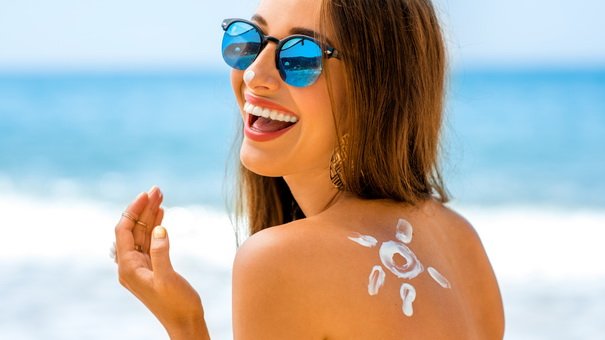
While we all recognize that sunscreen is crucial for shielding ourselves from sun damage, especially regarding the heightened risk of skin cancer during the summer months and beyond, there are other effective measures we can adopt. Below are some practical strategies to safeguard yourself from harmful UV rays.
1. Choose a wide-brimmed hat
Many individuals, particularly men, often favor baseball caps for sun protection, which do offer some coverage, especially for balding heads. However, these hats do not adequately shield the face, particularly the nose and chin. For enhanced protection, consider wearing a wide-brimmed hat like a bucket or safari style. Buffs, similar to those worn by participants on Survivor, can also be utilized as they effectively cover the neck and face, and I recommend the Buff USA UV Collection for its ability to block as much as 95 percent of harmful UV rays. (See also: 10 Ways to Look Younger for Free)
2. Install protective window films
If you frequently find yourself in your car or near windows that let in sunlight, installing protective window film can greatly minimize UV exposure. This is particularly relevant for those who drive with their windows open, as the arm resting on the door is often exposed to sunlight.
Solar Gard has pioneered an innovative sun protection technology with its window films for both cars and homes, providing protection akin to SPF 285. These films are endorsed by the Skin Cancer Foundation and offer 99 percent blockage of both UVA and UVB rays.
3. Begin your day with broad-spectrum sunscreen
Applying sunscreen is essential during the summer, but it should not be limited to beach outings. Renée Serbon, founder of Dermal Systems, recommends using a broad-spectrum sunscreen each morning during the summer season, regardless of cloud cover. “Even on overcast days, UV rays can still be harmful to your skin,” she notes.
Consistency is key; if you spend over 20 minutes outside daily, whether for work or leisure, regular sunscreen application is crucial for your protection.
4. Refresh with a dry sunscreen as needed
For makeup users, a common dilemma is how to maintain sunscreen application without disrupting their makeup. Serbon has a solution.
“I strongly advise my clients, especially those who wear makeup, to consider investing in a dry sunscreen,” she suggests. “To effectively protect yourself from the sun, you need to reapply every two hours; a dry sunscreen simplifies this process and can be applied over makeup while providing immediate physical protection.”
Dry sunscreens, often found in brush-tipped tubes, can be applied similar to foundation and are extremely user-friendly.
5. Limit direct sun exposure during peak hours
The sun’s rays are most intense between 10 a.m. and 4 p.m., which is typically when sun safety advocates recommend staying indoors. However, if you’re out enjoying the beach during these hours, try to minimize your exposure by using clothing, umbrellas, and applying sunscreen with an SPF of 30 or higher.
6. Seek out shade whenever you can
Reflect on the past when many would slather themselves with tanning oils, potentially leading to regret later on. If you aren’t diagnosed with skin cancer, you may still face premature skin aging. Serbon cautions, “Sun exposure encourages collagenase production, which degrades collagen fibers. This leads to premature aging, and while corrective procedures are available, prevention is the ultimate path to maintaining youthful skin.”
Whenever you feel inclined to soak up the sun, find refuge under an umbrella, tree, or awning. Your skin deserves protection, much like anything you value.
7. Ensure your sunglasses are effective
While protecting your skin is vital, don’t forget about your eyes. The 2015 UV Protection Report from the Vision Council indicates that around 70 percent of American adults are unaware of the dangers of UV ray exposure to eye health. Similar to skin, our eyes can suffer from sun damage.
Optometrist Dr. Jennifer Lyerly shares these essential tips for eye protection:
-
“It’s a myth that darker lenses provide better protection.”
-
“Inquire with your eye doctor about the level of UV protection your glasses offer; they should block at least 98 percent of UVA and UVB rays.”
-
“Consider Transitions lenses, which block 100 percent of UV rays and adjust to varying light conditions.”
-
“Wraparound sunglasses can offer additional protection against sun glare.”
8. Opt for long-sleeved clothing
If plans don’t include a beach day, wearing long sleeves is advisable when spending extended periods outdoors, like gardening or hiking. While any long-sleeve shirt will suffice, choosing moisture-wicking or SPF-rated options can keep you cool while providing adequate protection against the sun’s rays.
Enjoyed this article? Save it to your board!