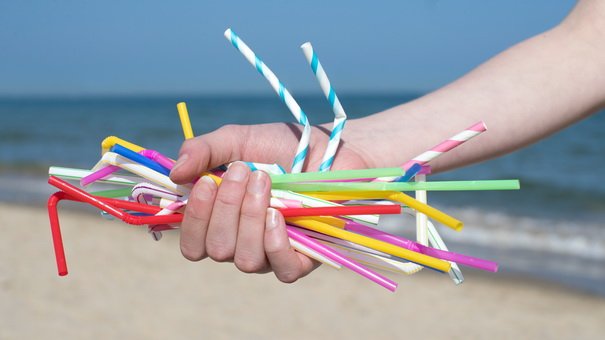
The detrimental impact of plastic on the environment is well-known; however, the specifics of this damage merit closer examination. According to Plastic Oceans, global plastic production has reached a staggering 300 million tons annually, with approximately half designated for single-use purposes. Even more alarming, over 8 million tons of plastic find their way into the oceans each year.
That’s a stark reality.
While completely eliminating plastic from your life may feel overwhelming, there are simple yet effective changes you can implement to contribute positively to our planet. These may appear to be minor modifications, but collectively they can significantly lessen plastic waste and safeguard marine ecosystems. Here are six straightforward strategies to reduce your plastic consumption. (See also: 8 Things We Keep Buying That Are Harming the Planet)
1. Eliminate Plastic Bags
Numerous cities are instituting bans on plastic bags, and the reasoning is clear. According to the EPA, Americans use over 380 billion plastic bags and wraps annually, with most being used just once before being discarded, resulting in massive waste.
Fortunately, there are numerous sustainable options available. By using your own durable canvas tote bags during shopping trips, you can make an eco-friendlier choice. These reusable bags are often priced at just a dollar or two and can last for many years before needing replacement. (See also: 10 Items You Can Repurpose as Tote Bags)
2. Opt for Secondhand Goods
Many consumer products such as toys, electronics, and clothing involve significant amounts of plastic in their packaging and transport. Often, these products are discarded after a brief period of use. Shifting your focus to purchasing secondhand items can drastically cut down on plastic waste.
Explore thrift stores like Goodwill, eBay, or local consignment shops to score great deals. Online platforms like Poshmark, Tradesy, ThredUp, OfferUp, and Facebook Marketplace also offer avenues for finding pre-owned treasures. By choosing secondhand, you not only help reduce environmental impact but can save money too. (See also: 8 Essential Purchases to Buy Used)
3. Rethink Grocery Shopping
While grocery shopping is a necessity, food often comes with excessive plastic packaging. Items such as single-serving yogurts, cheeses, and pre-cut fruits and vegetables have a higher environmental cost due to their packaging compared to buying these items in bulk.
To minimize packaging waste, consider opting for bulk purchases or buying unpackaged produce. You might also want to seek out alternatives in non-plastic containers, such as glass jars. (See also: 10 Surprising Bulk Items to Consider)
4. Embrace Reusable Products
The convenience culture contributes significantly to waste generation. Consider the volume of disposable coffee cups, plastic utensils, and straws discarded weekly. According to the National Park Service, daily straw usage in the U.S. alone exceeds 500 million, equating to enough straws to fill 125 school buses each day!
A pivotal way to reduce this waste is to adopt reusable items. Opt for a reusable water bottle instead of single-use plastic bottles, and consider stainless steel, silicone, or glass straws instead of conventional plastic ones.
For your coffee needs, invest in a travel mug. This not only benefits the environment but also keeps your coffee warm longer. Additionally, many coffee shops reward customers who bring their own mugs with discounts. (See also: The Top 5 Reusable Straws)
5. Change Your Toothpaste
It may come as a surprise, but toothpaste can contain plastic elements. Microbeads, which are tiny pieces of plastic, are prevalent in some toothpastes, body washes, and facial cleansers.
When you use products with microbeads, you are washing plastic down the drain, compounding pollution issues. Thankfully, the FDA has introduced new rules to ban the use of microbeads, with full compliance expected by 2019 for certain products. Always check your labels to ensure the absence of microbeads, especially in older cosmetics.
6. Properly Recycle
Even the most conscientious individuals may inevitably encounter plastic in their lives. However, the worst response is careless disposal. Recycling is crucial for mitigating the long-term impact of plastic waste in landfills, where they can take centuries to break down.
Recycling rules can vary by city, so familiarize yourself with local regulations. Resources such as Recycle By City or your municipality’s website can provide the guidance you need to recycle correctly. (See also: 18 Creative Reuses for Plastic Shopping Bags)