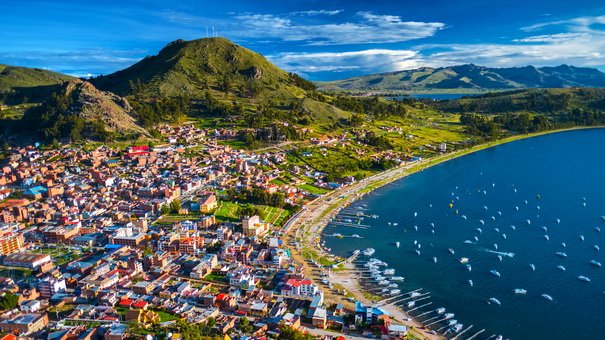
South America often suffers from negative stereotypes regarding its safety. The mere mention of the continent might bring to mind images of political instability and high rates of crime and violence. Nonetheless, while certain regions grapple with these issues, most of South America remains entirely safe for travelers.
It’s essential to observe standard travel safety guidelines, such as avoiding flashy attire or jewelry, carrying limited cash, and steering clear of dimly lit or isolated areas after dark. Always exercise common sense, conduct thorough research on your intended destination, and make informed plans based on your findings. (Also see: 4 Inexpensive Destinations That Are Safer Than You Think)
Here are six South American locales that are welcoming and secure for visitors.
1. Buenos Aires, Argentina
Often called the Paris of South America, Buenos Aires exudes a distinctly European atmosphere. The city’s outdoor cafes and the influence of Italian, German, and Spanish cuisine reflect its history of European immigration.
Experience tango in its birthplace, indulge in the country’s acclaimed wines, and don’t overlook the famed asado (barbecue) at vibrant parrilla restaurants. Expect eateries to open late, with nightlife that often continues until dawn. This city truly has an unyielding spirit.
Currently, there are no travel advisories recommended by the Department of State for Argentina.
2. Medellin, Colombia
Colombia, once infamous for the violent reign of notorious drug lords like Pablo Escobar, has made significant strides in enhancing its reputation in recent years, particularly in Medellin.
This vibrant city, recognized as the third largest in Colombia, has earned numerous accolades over the past decade for innovations in urban design. Known as the “City of Eternal Spring,” it attracts visitors year-round with its mild climate.
Although Colombia holds a level two travel advisory, Medellin has not been flagged as a risky area. (Also see: 8 Travel Advisories You Shouldn’t Disregard)
3. Colonia del Sacramento, Uruguay
Often overshadowed by its larger neighbors, Uruguay is frequently viewed as merely a quick stop for travelers in Argentina. However, its relaxed charm is truly worth discovering, with Colonia del Sacramento serving as a perfect entry point.
This tranquil town caters to those who appreciate a slower pace of life, featuring historical architecture, cobbled streets, and a quaint ambiance. The well-preserved historic district showcases an array of Spanish and Portuguese colonial buildings, creating a picturesque setting.
Crime is exceptionally low in this area, with travel advisories currently indicating no warnings whatsoever. (Also see: 7 Common Travel Myths That Need to Be Dispelled)
4. Santiago, Chile
The capital and largest city of Chile, Santiago, is a modern, sophisticated urban hub. Its central area radiates from the grand Palacio de la Moneda, where many streets are designed for pedestrians. In districts like Providencia, visitors will discover elegant dining options and upscale accommodations.
With the city nestled in a valley surrounded by mountains, Santiago offers excellent opportunities to escape urban life. Nature lovers can explore pleasant parks and viewpoints that provide stunning panoramas of the cityscape.
Chile currently has no travel warnings and is rated with a level one safety advisory.
5. Florianopolis, Brazil
Far from the hustle and bustle of mega-cities like Rio de Janeiro and Sao Paulo, Florianopolis is a gem nestled on an island off Brazil’s Atlantic coast, connected by two bridges. Known locally as “Floripa,” the city embodies a relaxed, artistic, and surf-centric atmosphere, cherished by discerning Brazilian travelers.
The lively city center boasts a plethora of international eateries, trendy cafes, and vibrant nightlife options. With diverse landscapes that feature pristine beaches, lush forests, lagoons, and waterfalls, Floripa is a natural sanctuary that allows for leisurely exploration away from the urban environment.
While some regions in Brazil report higher crime rates, these concerns are largely localized, and the travel advisory level is currently at two, without any specific caution regarding Florianopolis. (Also see: 7 Strategies to Alleviate Travel Anxiety)
6. Copacabana, Bolivia
The magnificent Lake Titicaca, one of the largest lakes in South America, uniquely spans the borders of Bolivia and Peru. Remarkably, it sits at an elevation of over 12,500 feet above sea level in the Andes. While numerous villages dot the lake’s shores, the Bolivian town of Copacabana is particularly popular.
Though the town itself may not boast grand sights, its attractions revolve around the awe-inspiring lake. Visitors can hike the nearby hills for breathtaking views, visit the indigenous village on Isla del Sol to immerse themselves in local culture, and discover ancient Incan traditions.
Bolivia holds a level one travel advisory, and Copacabana is widely regarded as an exceptionally safe destination.
Enjoying this article? Pin it!