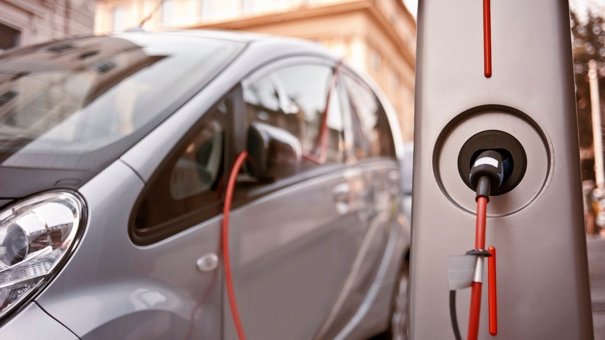
If you’ve been thinking about transitioning from a traditional gasoline vehicle to an electric or hybrid model, you’ll be pleased to know that this choice can lead to long-term savings. While the initial cost might be higher compared to gasoline counterparts, there are several strategies to make acquiring an eco-friendly vehicle more affordable. Here are some suggestions.
1. Consider Buying Used
Regardless of whether you opt for a new or pre-owned vehicle, it’s vital to seek out the best offers in your area before visiting any dealerships. Purchasing a used hybrid can allow you to retain the desired features while significantly reducing your expenses. Given that it often takes years for a new hybrid to recoup its value, choosing a used model is a financially sound decision. Be sure to check out additional guides on securing a used hybrid or electric car for further savings opportunities.
2. Do Your Homework Ahead of Purchase
Hybrid vehicles are not always pricier upfront compared to their gasoline equivalents. With diligent research and the right model selection, significant savings are possible. You can efficiently compare the costs of hybrids against their non-hybrid versions from the same manufacturer to identify whether a new or used hybrid will save you money.
When evaluating your choices, don’t focus solely on the sticker price. Also take into account aspects such as fuel efficiency, driving range, charging capabilities, duration for charging, battery longevity, replacement costs, maintenance expenses, performance specifications, and your own comfort while driving to ensure the vehicle aligns with your requirements and lifestyle. Note that additional features can raise the price.
3. Monitor Gas Prices
Interestingly, lower gas prices can lead to decreased costs for hybrids and electric vehicles as well. One of the primary advantages of owning a hybrid or electric car is reduced fuel expenses; however, when gas prices decline, this benefit diminishes. As fuel prices fall further, expect to see a corresponding decrease in the prices of hybrid and electric vehicles.
Utilize this insight when negotiating for a new or used hybrid or electric vehicle. If you own a plug-in hybrid, ensure that the battery remains charged to maximize electricity usage, which can help minimize your fuel costs.
See also: Best Credit Cards with Gas Rewards
4. Leverage Available Incentives
Remember that once you purchase an electric or hybrid vehicle, you could qualify for specific incentives that will enhance your savings. It’s possible to receive as much as $7,500 in federal tax credits, along with an additional $2,500 in state incentives by switching to a greener vehicle.
5. Consider Leasing
Electric cars can depreciate quickly, much like traditional gasoline vehicles. Leasing an electric car rather than buying it can be a smart choice if you do not intend to keep the car long-term, as it spares you the steep initial depreciation loss. Attractive leasing deals and lower monthly payments can also lead to additional savings over time.
6. Explore Car-sharing with Zipcar (In Select Locations)
If you’re uncertain whether a hybrid or electric vehicle suits your needs, think about joining Zipcar’s car-sharing program. The Electric Vehicle Pod lets members rent cars by the hour, significantly cutting costs compared to ownership. This service operates just like a standard Zipcar; simply book the electric vehicle as needed, return it afterward, and enjoy the convenience—particularly beneficial for urban residents who don’t drive regularly. Check availability in your area.
Do you know any other budget-friendly ways to obtain a hybrid or electric vehicle? Feel free to share your ideas in the comments below!
Enjoyed this article? Pin it!