Do you feel that your utility expenses are excessively high? You’re certainly not alone in this sentiment. According to the U.S. Energy Information Administration, the average electricity bill for American households exceeded $114 per month in 2014. Moreover, households using natural gas are predicted to spend an estimated average of $578 on heating during the winter months.
If you find your monthly energy bills to be burdensome, you might benefit from hiring an energy auditor to conduct a thorough energy assessment of your home. An energy audit involves a professional examining your property and performing tests to identify where energy and money are being lost, potentially helping you reduce your utility bills by 15% or more.
Here are four methods through which a home energy audit can lead to financial savings.
Encourage Installation of Energy-Efficient Windows
Your energy auditor will carefully inspect your windows. Drafty windows can significantly increase your heating and cooling costs by allowing conditioned air to escape, forcing your heating and cooling systems to work inefficiently and consume more energy.
As per the U.S. Environmental Protection Agency’s ENERGY STAR program, transitioning from drafty single-pane windows to ENERGY STAR-rated alternatives can result in savings of between $126 and $465 annually. While the savings decrease when upgrading from inefficient double-pane windows, you can still expect to save between $27 and $111 a year with more efficient models, according to ENERGY STAR.
Detect Additional Air Leaks in Your Home
Air can escape from numerous gaps around your home, which is why auditors often utilize a blower door test. This involves placing a powerful fan in one of your exterior doors to create a difference in air pressure, allowing outside air to enter through any unsealed openings.
This test helps auditors measure and identify where air leakage occurs within your house. By sealing these leaks, homeowners can achieve lower energy bills.
Assess the Need for Additional Insulation
An energy audit can also reveal whether your home’s walls are inadequately insulated.
According to the U.S. Environmental Protection Agency, homeowners can save an average of 15% on heating and cooling costs, translating to an average of 11% savings on total energy expenses, by air-sealing their homes and enhancing the insulation in attics and walls.
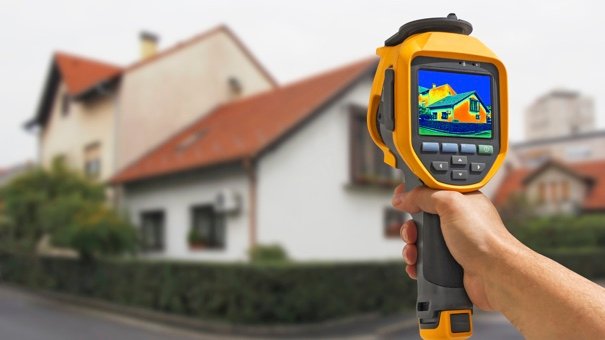
During the assessment, auditors may use thermal imaging cameras to locate warm and cold areas in the walls and floors, helping them detect spots that are lacking proper insulation. Installing new, energy-efficient insulation can greatly influence your monthly utility expenses.
Motivate You to Upgrade Outdated Appliances
While you might take pride in having a 20-year-old washing machine still functioning, or a refrigerator that’s lasted 15 years without replacement, these aging appliances may be costing you more than you realize.
According to the U.S. Department of Energy, appliances typically account for around 13% of your total energy expenses. Swapping out older, less efficient models for new ones can lead to lower monthly costs.
ENERGY STAR-rated washing machines and refrigerators are approximately 20% more energy efficient than standard versions. For example, ENERGY STAR dishwashers utilize about 5.8 gallons of water per cycle or less, while machines manufactured before 1994 average over 10 gallons.
Though purchasing new, energy-efficient appliances may present a higher initial expense, the resulting savings can accrue over time. A quick calculation can help you determine how long it will take for the savings to surpass the higher upfront cost of acquiring an energy-efficient refrigerator, washer, or dishwasher.
Have you previously undergone an energy audit in your household? What insights did it provide regarding your energy consumption?
Enjoy this article? Pin it!