Engaging in gardening is a fulfilling hobby that promotes wellness, helps cut down on grocery costs, and—without getting overly sentimental—enhances the beauty of daily life.
Many aspiring home gardeners embark on this journey seeking these rewards, only to discover by summer’s end that they have invested significant amounts of money in failing plants and pest-ravaged crops.
The bulk of these gardening mishaps stem from avoidable mistakes rather than uncontrollable circumstances like pest invasions. To maximize your gardening experience and budget, focus on mastering these 13 fundamental skills.
1. Understanding Soil Quality
It’s crucial to assess your garden soil before planting to ensure it can sustain life.
The initial step is determining your soil’s pH level. Is it alkaline, acidic, or neutral? Extremes in soil pH can hinder plants from absorbing essential nutrients such as nitrogen, phosphorus, and potassium, resulting in nutrient-deficient plants. Although professional lab testing is an option, many economical DIY methods exist to gauge soil pH at home.
You should also evaluate your soil’s structure. Soils that are overly sandy may not retain nutrients, while those with excessive clay can smother a plant’s roots by restricting access to water and air.
While some luckier individuals enjoy ideal soil conditions, many of us must contend with less-than-perfect pH levels and textures. Fortunately, even subpar soils can be revitalized through various amendments.
2. Composting
One of the finest amendments you can introduce to your garden is compost. It serves as a superior soil conditioner, enhancing both texture and nutrient composition across all soil types. Furthermore, composting not only replaces chemical fertilizers with a natural, free alternative but also helps reduce your waste disposal expenses.
In essence, composting is about facilitating controlled decomposition. Contrary to misconceptions, a well-maintained compost pile doesn’t emit foul odors, and learning to compost is fairly straightforward, primarily relying on the work of microbes and worms. Compost comprises two waste categories: greens, which include nitrogen-rich items like grass clippings and food scraps, and browns, made up of carbon-rich materials such as dry leaves and shredded cardboard. If your compost develops an unpleasant smell, increase the brown materials. Conversely, if it decomposes too slowly, add more greens. Ideally, good compost has a pleasant, earthy aroma and texture.
By composting my plant-based waste and yard cuttings, I’ve significantly reduced our family’s contributions to the landfill, benefiting both the planet and my garden. Additionally, I include greasy pizza boxes and used food containers—those that cannot be recycled—in my composting efforts.
Moreover, compost enriches my heavy clay soil, aiding in water retention, a critical factor given Southern California’s ongoing drought.
3. Monitoring Sunlight
Adequate sunlight is essential for most vegetables to flourish; thus, a consistently shaded garden can lead to disappointing yields. The amount of sunlight your garden receives dictates your crop options. While there are apps designed for sunlight tracking, a simple pen and paper can do the job just as effectively.
4. Starting Seeds
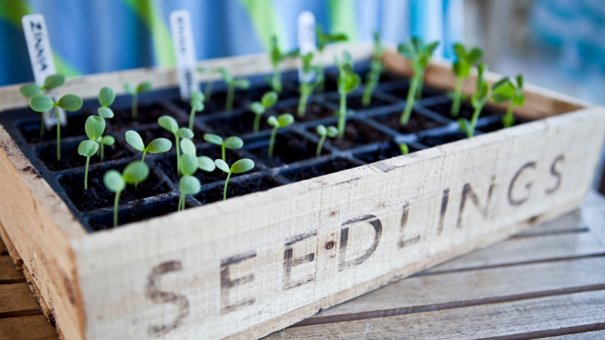
Beginning your vegetable and flower garden from seeds has several significant advantages. Firstly, a broader variety of plants is typically available as seeds compared to seedlings. Secondly, unless you have the unique passion for seed catalogs similar to how many people enjoy fitness magazines, starting from seeds proves to be one of the most economical ways to cultivate plants.
Did you know you can purchase seeds and plants via Food Stamps? Thus, you can make the most of your SNAP benefits by maintaining a small garden. For instance, if a packet of tomato seeds costs $3 and leads to 10 tomatoes from one plant, that’s an incredible return on investment.
5. Saving Seeds
Instead of purchasing seeds, consider saving those from your prior season’s harvest. Seed saving not only helps reduce gardening costs but can also foster community connections. A friend of mine, Steve, has cultivated an impressive victory garden using seeds ‘checked out’ from the Kansas City Public Library. If you’re intrigued by the concept of a seed library but don’t have one nearby, the Richmond, California Public Library provides guidance on establishing your own!
6. Gardening in Containers
Not everyone has viable soil or even available ground for gardening. Fortunately, container gardening enables apartment dwellers to cultivate their own plants. While I have a fondness for my extensive collection of terra cotta pots, a wide range of containers—including plastic bins and recycled food buckets—can produce significant amounts of food. Platforms like Pinterest are filled with creative ideas for upcycled planters made from items you likely already own, suitable for various plant types.
7. Propagating Plants from Clippings
I learned the art of propagating succulents from cuttings in my childhood, and it’s a skill I’ve retained. Each time I prune my succulents, I save the clippings to exchange with neighbors, sell during garage sales, or gift. Plants make wonderful gifts for any occasion. This simple practice helps me save at least $100 annually on gifts and provides substantial savings to my landscaping costs, as I’ve managed to fill 90% of my front yard with cuttings sourced from friends and neighbors.
But why should you limit yourself to succulents? Many indoor and outdoor plants can be propagated through cuttings.
8. Transplanting Techniques
My husband has a penchant for collecting various plants, often risking his green thumb in the process. Until recently, about half of his transplants would wither away. I finally discovered the root of his gardening struggles: he didn’t realize he needed to thoroughly water plants immediately after transplanting to mitigate shock. Since learning this foundational transplanting rule, he has significantly improved his plant survival rates.
9. Effective Watering
It’s common knowledge that not watering a plant can lead to its demise, but did you know that overwatering is a leading cause of death for indoor greenery? Fortunately, mastering the proper watering technique—both indoors and outdoors—is not complicated. Good watering practices can also help reduce your water expenditures, regardless of whether you reside in a drought-prone area.
10. The Benefits of Mulching
One of my favorite gardening tasks is mulching, as it offers immediate visual improvement. A fresh mulch layer not only makes the garden look tidier but also suppresses weed growth and helps retain soil moisture.
I advocate for what I fondly call “liquor store mulch,” or sheet mulching, since I can forgo weeding altogether before applying those lovely top layers. This method is essentially free. Here’s my mulching routine:
- Acquire cardboard from my local liquor store.
- Lay down the flattened boxes directly over the soil, weeds included, while navigating around existing plants.
- Thoroughly soak the cardboard with water.
- Add green waste on top of the cardboard. I often use manure from my neighbor who’s into chicken-raising, but compost or grass clippings work fine too.
- Cover everything with brown waste to conceal the odor of the green waste—dead leaves or shredded cardboard are ideal for this task.
- Water it again thoroughly.
- Be patient. By the following year, you’ll have rich topsoil ready for planting and significantly fewer weeds to contend with.
If you’re not planning to garden next season but want to enhance your current landscape, many municipalities provide free mulch from shredded trees as part of their recycling initiatives. Laying down wood mulch over cardboard works wonders, too.
11. Pest Management
My mother is a seasoned gardener who believed that once my sister and I were old enough to handle tools, we should join her on “slug patrol.” Each morning before school, we would venture into the garden to eliminate any slugs we encountered. This experience has sharpened my weeding skills over the years!
However, dispatching slugs—like something out of a fantasy novel—is merely one of the pest management techniques I utilize.
One of my preferred methods is companion planting, allowing the plants to assist with pest control. A remarkable technique is The Three Sisters method, originating from Iroquois traditions, which involves planting corn, climbing beans, and squash together. The corn acts as a natural trellis for beans, which enrich the soil with nitrogen, benefiting both corn and squash. The squash’s prickly leaves offer a protective mulch while also deterring pests. It’s a smart and integrated approach.
As a beekeeper and koi pond owner, chemical pest control methods are unsuitable for my garden. Fortunately, numerous homemade sprays, crafted from common kitchen ingredients, can effectively manage pests.
12. Prudent Pruning
While tree pruning might be best left to professionals, pruning smaller plants and shrubs can be quite simple once you know the basics. Though many perceive pruning as a purely aesthetic task, it is instrumental in maintaining plant health by removing damaged or decaying sections afflicted by adverse weather, diseases, or pests. Proper pruning can also enhance a plant’s productivity by redirecting energy toward producing more flowers or fruit.
13. Tool Maintenance
I have a poor track record in this area. Despite spending a small fortune on replacing wooden-handled tools left exposed to the elements, I ultimately had to invest in durable, rust-proof metal tools. Don’t be like me.
Maintaining your gardening tools is quite straightforward. Cleaning them after each use and keeping them stored in a dry place can help most hand tools last a lifetime.
Do you possess a green thumb? Which gardening skills have proven to be the most beneficial for saving time and money?
Enjoyed this article? Pin it!