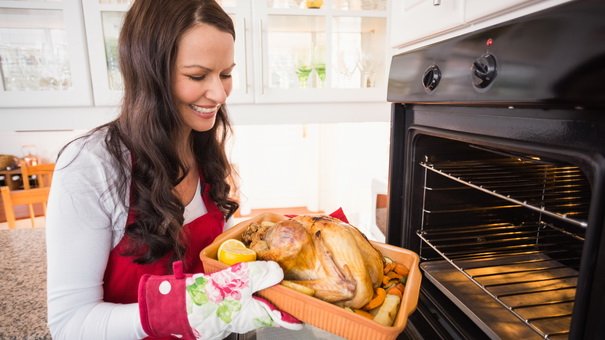
Whenever I prepare for a major holiday dinner, I always anticipate a hefty grocery bill. Despite hosting these family meals multiple times in the past, I still find myself frustrated by the final price at the register. I can’t help but wonder, “How can basic ingredients like turkey, green beans, and mashed potatoes be this expensive?” Despite my puzzlement, I frequently end up overspending for Thanksgiving and Christmas dinners.
This year is going to be different. Indeed! I’m committed to establishing a sensible budget and adhering to it (which will free up extra funds for gift shopping!). Here’s a guide to help you do the same.
1. Assess your current supplies
A common oversight is not taking stock of all your dinner ingredients at once and checking what you already have in your pantry and cabinets. I’ve made numerous supermarket trips questioning if I have enough butter or olive oil, only to return home and discover I had plenty all along—after purchasing more, of course.
Buying items unnecessarily can drain your budget significantly; it pays to take a little time to identify your needs before heading to the store. (See also: 9 Pantry Tricks That Save You Big)
2. Plan your menu
With a clear idea of what you already possess, you can get started on planning your menu, filling in the gaps with fresh purchases. I sift through my saved recipes on my phone and visit my favorite cooking websites to select my meals, considering both financial and time investments. I aim to avoid spending hours in the kitchen; all dishes should be draftable in under 10 minutes, not counting the time they need to cook unattended. However, efficient recipes don’t have to sacrifice flavor. It turns out that guests are less focused on intricate presentations when they’re hungry.
3. Price comparison shopping
Just because an item is marked down doesn’t mean it’s the best deal available. Don’t limit yourself to only one grocery store. Collect circulars and compare prices for the items on your list. Utilize price comparison apps such as PriceBlink or Camelizer to ensure you’re getting the best offers before you shop. If you find significant savings (over $10), it may be worth it to visit more than one store. (See also: 31 Foolproof Ways to Lower Your Grocery Bill)
4. Check for cash-back offers before shopping
Before hitting the supermarket, it’s wise to check your cash-back apps, like Ibotta and Checkout 51, for potential savings. Many times I’ve shopped and only later discovered I could’ve gotten a similar item at a discount. Browse the app beforehand so the deals are fresh in your mind while you navigate the aisles. After shopping, simply submit your receipt to claim your cash back. (See also: The 8 Shopping Apps That’ll Actually Save You Money)
5. Establish and adhere to your budget
After pricing your needed items, compile a shopping list and set a budget. Aim to stay under your total by at least $10. Sticking to a budget requires discipline, particularly when faced with impulse buys. One helpful tip is to shop after eating, as you’re less likely to succumb to temptation in the snack aisles. Another effective tactic is to shop during busy periods; it may sound unappealing, but you’ll likely be more focused on finishing your shopping compared to leisurely browsing. The less time you spend among tempting products, the better. (See also: 7 Effortless Ways to Prevent Budget-Busting Impulse Buys)
6. Consider generic products
I usually shy away from generic products (I’ve always preferred name-brand items due to quality reasons), but when preparing for a large gathering, I often relax my standard to save money. Items like butter can be store-brand, and I’m willing to choose generic spices as well. Pasta, nuts, sugar, and flour are additional items where opting for the generic option can yield savings without compromising the dish. However, be discerning; for certain items like cheese, it’s wise to stick with trusted brands to avoid unsatisfactory results.
7. Fill up on affordable carbs
If you want to satisfy a crowd and stretch your food dollars, take a lesson from busy American families—the secret is in the carbs. Serving up breads, potatoes, and pasta can effectively extend your meal without heavy spending on pricier vegetables like Brussels sprouts or asparagus, which can cost more.
8. Buy in bulk when appropriate
Purchasing in bulk doesn’t always equate to savings, especially if you may not finish everything before it spoils. However, if the larger quantity yields a better overall price than several smaller packs, then it’s worth considering. That said, I wouldn’t recommend buying a wholesale club membership just for a single holiday meal; you likely won’t recoup the membership fee in savings. If it’s beneficial for your household throughout the year, then it’s a different story. (See also: Bulk Buying Basics: What to Buy, How to Store, and Money-Saving Tips)
9. Turn your celebration into a potluck
If you’re eager to minimize costs for the holiday gathering you’re hosting, consider asking your guests to contribute side dishes and desserts. You can provide the main dish—be it turkey, ham, or your personal choice—along with a few appetizers, while guests handle the rest. To keep track of who is bringing what, create a shared Google spreadsheet for easy coordination. It’s absolutely okay for all guests to pitch in. (See also: Throw an Awesome Potluck Dinner With These 6 Easy Tricks)
10. Inquire about your guests’ preferences
To prevent wastage from food that might end up untouched, make it a point to inquire about your guests’ preferences prior to menu planning. For example, if only one guest enjoys lima beans, they might not be the best choice if much ends up discarded. It’s also essential to ask about dietary restrictions and allergies. While you need not cater to every specific need, providing a few options that accommodate guests with dietary concerns is a considerate choice.
11. Utilize leftovers wisely
I’m not particularly fond of leftovers (as you might have gathered from my pickiness), so I make a conscious effort to plan portions and focus on foods I don’t mind eating again. That said, I suggest being mindful of parts of the meal that often go to waste, such as ham bones and turkey carcasses, which are perfect for making soups and stocks using online recipes. (See also: 17 Ways to Use Thanksgiving Leftovers)
12. Bring only the cash you’ve allocated
A foolproof strategy to maintain your budget when shopping for your holiday meal is to leave all cards at home and only take the cash you’ve designated for groceries. This effectively curbs impulse purchases and compels you to select the more affordable items. Also, carrying a calculator can help you track expenses as you shop. I recall watching my mother do this during many shopping trips, and it has always stuck with me.
13. Implement a BYOB policy
I wouldn’t ask guests to contribute a potluck dish along with their drinks. If you’re managing the food, it’s entirely fair to request guests bring their own beverages to share. However, if they volunteer to bring dishes, it’s nice to offer them drinks as a form of appreciation. Don’t feel obligated to accommodate everyone’s tastes. Serving a mix of red and white wines along with light beer is perfectly acceptable; any guests dissatisfied with the selection can enjoy the soft drinks you’ll provide until they stop by the local bar.
Enjoyed this article? Pin it!