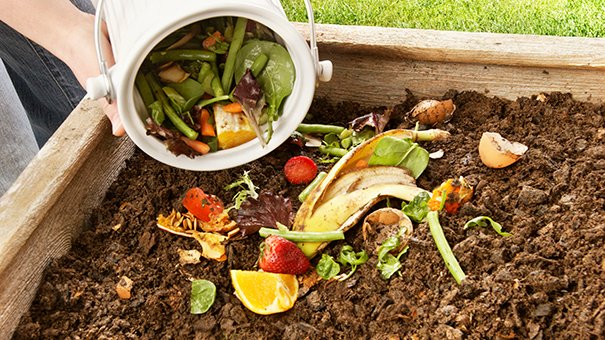
You might be familiar with the concept of composting or even contemplated trying it yourself. This eco-friendly practice goes beyond just helping the planet; it can also be a great way to save money. Here are ten compelling reasons why those who are budget-conscious should embrace composting today!
1. It Reduces Trash Expenses
Consider the amount of organic waste, such as banana peels, eggshells, and other food remnants, that you’ve thrown away this past week. This waste contributes significantly to your trash output. According to Duke University’s Center for Sustainability & Commerce, the average American generates over four pounds of waste daily. If you’re required to purchase trash tags or pay for waste removal services, minimizing your garbage volume can lead to financial savings.
2. It Provides Complimentary Nutrients for Your Plants
If you have a garden, you understand how expensive it can be to maintain. The Bargain Babe mentions that compost serves as a wonderful contribution to plant growth. Producing your own compost removes the need to purchase it from a gardening store annually. She usually invests in two cubic yard bags each season, costing around $16.98 annually. While that might not seem significant, over five years, this totals nearly $85 — and the savings increase with the size of your garden!
3. It Enhances Soil Quality
What makes compost so beneficial for gardening? It acts as a soil conditioner. By incorporating compost into your soil, its texture improves, allowing it to better retain nutrients, moisture, and air — essential elements for thriving plants. As a result, you’ll likely need to water less often (saving money!), and your plants may produce a more bountiful harvest. Growing your own vegetables can significantly diminish your grocery bills.
4. It Helps Deter Pests
Incorporating compost into your gardening regimen not only nourishes your plants but also offers economical pest control without resorting to chemicals. The University of Illinois Cooperative Extension notes that soil enriched with compost tends to produce plants that are less susceptible to pest infestations. Additionally, it can shield against various plant diseases that ordinary soil might not prevent. Leaf compost, particularly, has been found to deter nematodes.
5. It Reduces the Need for Lawn Care Services
Utilizing this nutrient-rich “black gold” for your lawn means you can forgo lawn treatment services this year. You not only save money but also create a safer home environment by avoiding chemical fertilizers and pesticides. A single application of compost once or twice a year will yield impressive results. Simply layer a half-inch of compost onto your lawn using a wheelbarrow and shovel or a garden spreader. This method even addresses those stubborn brown patches effortlessly.
6. It Offers Affordable Family Fun
Engaging with nature and spending time outdoors can be an enjoyable and budget-friendly activity for the whole family. If you’re unsure where to begin, consider square foot gardening. A raised bed is an excellent introduction for novice gardeners. Decide on your desired plants, acquire some seeds or transplants from a local nursery, sketch out your garden plan, and get started!
7. It Can Be a Source of Income
Indeed! Several cities nationwide might provide financial incentives or grants for composting initiatives. For instance, Plymouth, Minnesota, offered residents a $100 grant in 2012 to help them start backyard composting. This funding assisted residents in acquiring necessary supplies for composting and vegetable gardening. While these programs aren’t universally available, it’s worthwhile to explore what your local government may offer in terms of composting support.
8. It Can Foster New Connections
Composting can also lead to the discovery of new acquaintances. Check local event calendars for free composting workshops often hosted by cooperative extension services; you might meet individuals who share similar interests. Expanding your social network can lead to valuable resource sharing such as tools, knowledge, and time. Plus, making new friends is always enjoyable.
9. It Increases Awareness of Food Waste
A significant benefit of composting is the heightened awareness of food waste within households. As we moved spoiled food to our compost bin, we began to reflect on our meal planning habits. This realization prompted us to draft grocery lists and outline meals for the week, resulting in less food going to waste.
We often find ways to repurpose food scraps before adding them to the compost pile — for example, creating homemade vegetable broth. Gather carrot peels, onion skins, celery greens, and other veggie leftovers, place them in a bag in the freezer, and simmer them in water for 45 minutes. Strain out the solids for compost and relish your delicious broth.
10. It’s Inexpensive to Begin
You can create a simple compost bin for under $5, and you may already have the necessary materials at home. Just take a plastic storage tub with a lid, drill some holes for airflow and drainage, and add a layer of soil at the bottom. Toss in your kitchen scraps, making sure to shake or stir it at least once a week. That’s all it takes to kick-start your composting adventure! You could have usable compost ready in as little as four to six months.
Are you a compost enthusiast? We’d love to hear your tips!
Enjoyed this article? Share it!