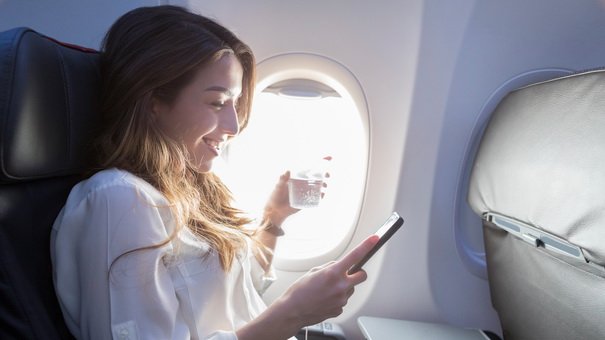
Enduring long-haul flights, which can last between 11 to 16 hours, requires significant preparation akin to training for a marathon. Imagine spending an entire day in the middle of nowhere—while flight attendants may offer assistance, you’re ultimately responsible for having what you need at your fingertips. This makes it essential to be well-prepared.
1. Consult your doctor regarding deep vein thrombosis (DVT)
DVT is a serious condition where blood clots form in the legs or pelvis, with the risk heightened during long periods of immobility, like on flights. If you have concerns, especially with risk factors such as smoking, pregnancy, or obesity, seek advice from a healthcare professional about preventive measures, such as wearing compression stockings.
Even without risk factors, learning some in-flight stretches and exercises can boost circulation. Don’t hesitate to get up and walk around whenever possible, even if you’re seated in the middle.
2. Create your essential carry-on arsenal
Your carry-on is crucial for your comfort and well-being during the long hours ahead. You want to ensure you have all necessary items, as you may find yourself in a bind halfway through a lengthy journey.
Above all, pack sufficient supplies of any prescribed medications and over-the-counter remedies. Personally, I always carry ibuprofen for cabin pressure headaches and melatonin to ease my transition to the destination’s time zone. A decongestant can also be beneficial. The Aerospace Medical Association suggests bringing nasal sprays and moisturizing eye drops to alleviate dryness from cabin air.
Don’t forget comfort and hygiene products: I always pack lip balm, unscented hand lotion, tissues, extra sanitary items, and adhesive bandages. If you wear contacts, include your case and solution, or consider opting for glasses instead to combat dryness.
For a more restful flight, pack a travel pillow, eye mask, and ear plugs. A hairbrush, toothbrush, and any makeup essentials are also wise additions. And if traveling with a baby, pack far more diapers, clothing, formula, and pacifiers than you think you’ll need.
Finally, include a change of clothes in case of spills or lost luggage. Use a carry-on that fits neatly under the seat and is easy to access. If you can retrieve your most-used items without rummaging through the bag, you’re set for a smoother journey.
And don’t overlook snacks. While many airlines provide meals on international flights, they can sometimes be lackluster. Having something to munch on during late-night cravings can save you discomfort.
3. Bring the appropriate headphones and/or adapters
If you own a newer iPhone, you probably have lightning plug earbuds that won’t connect to the standard headphone jack on your flight. Likewise, Bluetooth headphones may not be usable if the airline doesn’t offer Bluetooth connectivity.
To avoid disappointment, pack a pair of standard earbuds or a Bluetooth transmitter that can connect to the airplane’s audio jack. Sharing the experience with a travel companion? Consider bringing a headphone splitter for shared entertainment.
4. Look into Wi-Fi options
Airlines have varying policies on Wi-Fi, with some offering it for free, some charging fees, and others utilizing the Gogo In-Flight Internet service, which sells day passes for around $19. If you own a premium travel credit card, check if Gogo benefits are included.
5. Develop a work strategy
If you aim to work during the flight, ensure any necessary documents are downloaded ahead of time, as in-flight internet cannot be relied upon. Charge your laptop fully and bring along a portable charger or battery pack. If a wireless mouse is part of your setup, pack extra batteries for it. For confidential work, a laptop privacy screen might also be essential.
6. Prepare an alternative entertainment strategy
Don’t bank on just the airline’s movie selection. Your aircraft may lack personal entertainment screens, and the movie options may not suit your taste. I’ve experienced multiple flights where the entertainment system or Wi-Fi didn’t function properly.
Download a few TV episodes or movies to your devices and consider offline options available on platforms, like Netflix. E-books and audiobooks are also great travel companions. Don’t forget a portable charger for your entertainment device!
It’s wise to bring along a traditional form of entertainment too, like a book or knitting project, should your gadgets run out of battery. Your eyes will appreciate the break from screens, too.
7. Choose the ideal travel attire
Unless you’re in first class, changing into comfortable pajamas mid-flight is likely impractical. I recommend wearing something that’s akin to loungewear. Personally, I’ve boarded planes in actual pajamas without any embarrassment. My go-to is a comfy pair of sweatpants, a cozy T-shirt, and a soft sweatshirt complete with a big hood that also acts as a travel pillow.
Ensure your outfit won’t shift if you doze off, especially in premium cabins where lying down is an option. Waking up to find your clothing misaligned is less than desirable.
Layers are also vital; it can be hot waiting on the tarmac but cold in the air.
8. Pre-test your travel gear
This may seem excessive, but when confined in an aircraft with no medical assistance for countless hours, discovering your child has an allergy to a medication you administered, or wearing shifting underwear, can be distressing.
Try any medications prior to flying, sleep in the outfit you’ve chosen to wear, and ensure your travel pillow and eye mask are comfortable. Test out your headphones as well—you’ll appreciate it when the time comes.
9. Prioritize a restful night’s sleep
For long flights, it’s common to hope for some rest. Avoid staying up late or foregoing sleep the night before; doing so can leave you groggy and disoriented when you need to navigate security and boarding. If sleep eludes you on the plane, you’ll arrive exhausted.
10. Freshen up—fragrance-free
While I don’t need to remind you to shower before your flight, consider using fragrance-free products this time around. Strong scents can become overwhelming in close quarters, especially for those who may be sensitive or allergic.
11. Choose flight-friendly meals
Be cautious about eating risky foods before flying—especially anything from questionable roadside vendors—since being stuck on a plane with food poisoning is far from ideal. Additionally, opt for meals that won’t cause indigestion or discomfort during the flight. Legumes and cabbage, for instance, can lead to gas that expands during takeoff, creating discomfort even for those typically tolerant to such foods.
12. Stay hydrated
Air travel tends to dehydrate the body. While it may be tempting to minimize fluid intake to avoid bathroom trips, it’s crucial to stay hydrated before, during, and after your flight.
The Aerospace Medical Association recommends drinking eight ounces for every hour you’re airborne. Steer clear of sugary, caffeinated, or alcoholic drinks. I always make sure to carry a filled water bottle from the terminal, as in-flight water quality can be questionable.