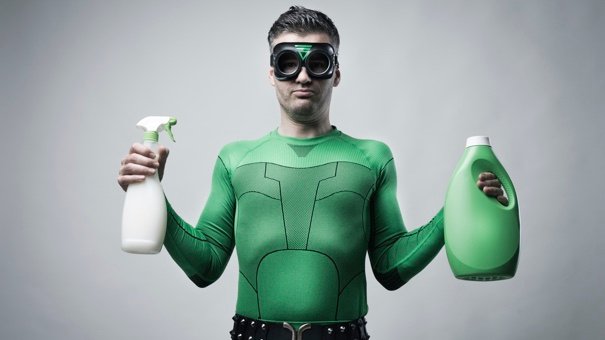
Each day, many of us strive to make environmentally conscious choices. However, some products are not as eco-friendly as their attractive packaging and marketing suggest. Here’s a look at eight products that may not be as “green” as you think—be cautious of their messaging and implications.
1. Seventh Generation Lemon Dishwashing Gel
It’s disappointing to learn that Seventh Generation, a brand recognized for its commitment to natural and sustainable products, has its pitfalls. Their lemon-scented Dishwashing Gel earned an F on the EWG product safety scale. It includes substances like sodium borate and methylisothiazolinone—ingredients that raise concerns. When the brand claims the product is non-toxic, it seems they mean “not acutely toxic,” which is indeed a misleading distinction.
2. Aveeno
With the tagline “Active Naturals,” Aveeno may seem like an excellent choice for nature-inspired skincare. However, a deeper look reveals a variety of synthetic ingredients hidden within its formulations. A class action lawsuit against the brand highlighted the presence of numerous artificial components, including glycerine, cetyl alcohol, and sodium hydroxide, as well as petrolatum, mineral oil, and dimethicone. Moreover, carcinogenic 1,4-dioxane is found in Aveeno Baby Soothing Relief Creamy Wash. Despite their efforts to appeal to the green market, using these ingredients raises ethical concerns.
3. Tarte Cosmetics
Tarte’s CEO touts the brand’s leadership in eco-friendly beauty with a focus on cruelty-free products packed with nutrient-rich ingredients. However, a closer inspection of their cosmetics reveals concerning components such as crushed beetles (carmine), formaldehyde releasers, and parabens. Their Amazonian Clay Illuminating Moisturizer holds an EWG toxicity rating of 7/10, so be sure to research what you’re purchasing before opting for products marketed as green.
4. Huggies Pure & Natural
When shopping for eco-friendly options for our little ones, Huggies Pure & Natural appears to be a safe choice with its claims of organic cotton and environmentally friendly packaging. However, findings from the University of Cincinnati have shown that the organic cotton only covers the exterior of the diaper, while the interior is filled with standard materials such as wood cellulose fiber and synthetic polymers. A federal class action lawsuit has raised alarm over the use of harmful synthetic components that may affect skin health. Additionally, these diapers are not biodegradable, and only 20% of the packaging contains recycled materials.
5. Coca-Cola Life
The green branding of Coca-Cola Life might make it seem like a healthier alternative, but the reality is quite different. While it contains 35% less sugar than traditional Coca-Cola, it compensates for this reduction with the inclusion of artificial sweetener stevia. Despite this, a 600ml bottle still contains 10 teaspoons of sugar. Essentially, it’s just another sugary beverage cloaked in attractive marketing, leading consumers to believe it’s a greener option when it isn’t.
6. American Plastic Lumber
American Plastic Lumber promotes itself as an eco-friendly manufacturer, claiming a commitment to providing recycled plastic materials for over two decades. However, investigations by the FTC have uncovered instances of false advertising. Their products often contain less than 79% post-consumer materials, with some products containing as little as 15% recycled content. While they have since altered their language regarding product claims, the misleading implications remain.
7. Lush Cosmetics
The cosmetics industry is rife with instances of greenwashing, and Lush is no exception. Despite its eco-friendly claims, many of its products contain harmful ingredients. Nicole Dunst highlighted in her critique that several substances used by Lush are flagged as concerning by reputable organizations like the Environmental Working Group and the American Cancer Society. These include sodium lauryl sulfate, propylene glycol, and cocamide DEA, which have received toxicity scores around 7/10 on the EWG scale.
8. Simple Green All-Purpose Cleaner
Simple Green has found itself listed in the EWG’s Hall of Shame for cleaners. The product advertises itself as “non-toxic” and “biodegradable,” yet it contains 2-butoxyethanol—an absorbed solvent that can damage red blood cells and irritate the eyes—as well as a secret cocktail of alcohol ethoxylate surfactants, many of which are banned in the EU. Surprisingly, it requires dilution for use while being sold in an easy-to-mist spray bottle!
Have you encountered any green products that didn’t live up to their eco-friendly promises? Share your experiences so we can learn what to avoid.
Enjoy this article? Pin it!